Short answer: many products could be reformulated or removed from sale if the new federal hemp restrictions take effect as described—but “95% eliminated” is an industry estimate, not an official government count. The impact depends on how the rules are implemented, what counts as a product “container,” and whether a product’s total THC exceeds the proposed limit.
For brands, retailers and consumers, the change is significant because it shifts attention from delta-9 THC alone to total THC, including THCA, and sets a very low cap: 0.4 milligrams of total THC per container. That could put intoxicating hemp-derived products—and especially hemp flower—under intense pressure.
There is an important date detail, too. Businesses are discussing a December 11 US hemp rule deadline as a point to prepare for compliance. However, a deadline’s legal effect depends on the specific statute, agency action or other rule it refers to. Companies should check the controlling federal text and applicable agency guidance rather than assume every product faces the same date or transition period.
The one-sentence legal takeaway
If the 0.4 mg total-THC-per-container limit applies to a product, measuring only delta-9 THC will not be enough: the calculation also includes THCA, and many current formulations may exceed the cap.
What is changing in the hemp calculation?
For years, many hemp products have been marketed and tested around a familiar distinction: hemp is associated with no more than 0.3% delta-9 THC by dry weight, while higher-THC cannabis falls under different rules. That distinction is important, but it does not tell the whole story under the proposed federal changes.
The revised approach focuses on total THC, which includes delta-9 THC and THCA. THCA is the acidic precursor that can convert into delta-9 THC when heated. That matters especially for flower: a sample can show relatively low delta-9 THC before heating while containing enough THCA to produce much more THC after decarboxylation.
The proposed 0.4 mg total THC per container cap is a different kind of test from a percentage limit based on a product’s dry weight. A large package does not necessarily get a proportionately higher allowance. If the cap is applied per container, brands will need to understand what regulators consider one container and how the limit applies to multipacks, servings and packaged goods.
Issue What businesses need to check Why it matters THC measurement Delta-9 THC and THCA, not delta-9 alone A product that appears compliant under a delta-9-only review may exceed a total-THC limit. Container cap The amount of total THC in the legally defined container Serving size and package size may not determine the legal limit in the way a brand expects. Deadline The exact rule, effective date and any transition provisions “December 11” should be tied to a specific legal obligation, not treated as a universal date without checking the source. Evidence Current third-party lab testing and product-specific documentation Compliance depends on reliable results for the actual formulation and batch.Why the “95% products eliminated” estimate is circulating
The phrase “95% products eliminated” is widely alarming, but it needs context. The US Hemp Roundtable estimate is an industry assessment of how many products could be affected by the proposed restrictions. It is not a published federal inventory confirming that exactly 95% of all hemp-derived cannabinoid products will disappear.
The estimate reflects the way much of today’s market is built. Many gummies, beverages, tinctures and other products are designed to deliver a noticeable cannabinoid dose. If the total amount of THC allowed in an entire container is capped at 0.4 mg, products that contain more than that may no longer qualify under the relevant Great post to read hemp rules—even if their delta-9 THC concentration previously appeared to meet a familiar hemp threshold.
That does not mean every product will vanish on the same day. Some companies may reformulate, remove THC-containing ingredients, sell products under a different regulatory framework where lawful, or stop selling products that no longer fit. Others may decide that the cost and uncertainty of continued compliance are too high. The result could be a sharp reduction in product choice, but the actual number will depend on implementation and business decisions.
Why hemp flower shipments are at the highest risk
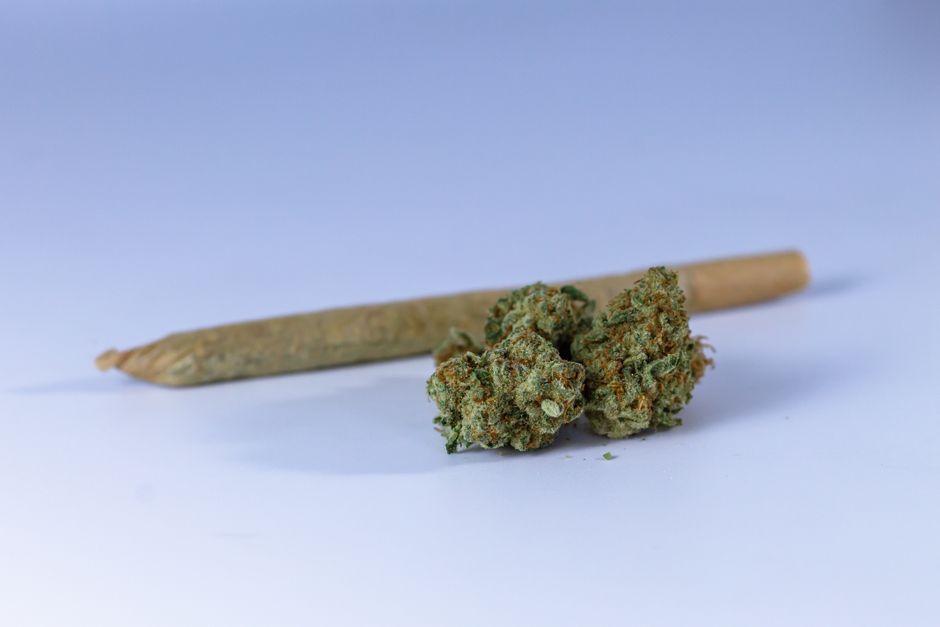
Flower shipments are at particular risk because raw hemp flower can naturally contain THCA. Under a total-THC approach, that THCA counts toward the relevant THC calculation. Flower that was previously shipped or sold based on a delta-9-only test may therefore face a different compliance result when THCA is included.
The practical consequences could extend beyond retail shelves. Growers, processors, distributors and brands may all need to recheck how flower is tested, labeled, transported and documented. Shipments can also face additional scrutiny at state borders or in distribution channels, where a company may need to show that the material fits the applicable definition of hemp.
For businesses, the operational risk is not just whether a lab report exists. It is whether the report covers the right analytes, corresponds to the actual lot, and supports the product’s legal status. A certificate showing delta-9 THC alone may not answer the question a total-THC rule asks.

What this could mean for brands and consumers
Brands may face a market squeeze
The combination of a strict per-container cap, expanded THC measurement and deadline pressure could create a market squeeze. Smaller brands may have limited time and money for reformulation, legal review and new testing. Retailers may respond cautiously by reducing orders or pausing products until they receive updated documentation. Manufacturers may also need to change ingredient sourcing and packaging.
Companies such as Joy Organics, like other brands operating in this space, will need to assess each product individually rather than rely on broad marketing language or a single company-wide compliance claim. The relevant questions include what cannabinoids a product contains, how much is present in the complete container, and whether its lab results match its current formulation.
Consumers may see fewer familiar products
Consumers could encounter fewer high-THC hemp-derived products, changed formulas, different package sizes or products labeled and marketed in new ways. Availability may also vary by state, because state rules and enforcement practices can differ from federal requirements.
That uncertainty is not a reason to assume that a product is safe or lawful just because it is sold online or has been available for years. Nor does a “hemp-derived” label by itself establish that a product meets every applicable requirement.
What companies should do before the deadline
Businesses preparing for the December 11 deadline should first confirm what the date refers to and which products it covers. A headline or trade-group summary is not a substitute for reviewing the operative legal language and any official guidance.
Inventory products and formulations. List each product, package size, serving size and cannabinoid ingredient. Identify which products contain delta-9 THC, THCA or other cannabinoids that may be affected. Calculate total THC per container. Do not rely on delta-9 THC alone. Confirm the required calculation method and how the rule defines a container, including for multipacks and products with multiple servings. Commission third-party lab testing. Use qualified laboratories and confirm that the test panel measures the analytes needed for the applicable rule. Match each result to the specific batch being sold. Post batch lab results online. Making batch lab results posted online easy to find can help customers and retailers review product-specific evidence. The report should identify the batch and be current for the product being offered. Review labels and claims. Check cannabinoid amounts, serving information, warnings and marketing language. Avoid calling a product “THC-free” unless reliable testing supports that claim at the relevant detection level. Plan for more than one outcome. Consider reformulation, a pause in sales, changes to distribution or removal of a product if it cannot meet the applicable requirements. Confirm the legal timeline. Obtain advice on the exact effective date, any transition period, and how federal requirements interact with state law.How to evaluate a product as a consumer
Consumers can take a few practical steps while rules and availability change:
- Look for a batch-specific certificate of analysis, not just a general company statement. Check whether the report lists both delta-9 THC and THCA, or otherwise provides the total-THC information needed for the product. Confirm that the batch number on the report matches the package. Be cautious of absolute claims, including “THC-free,” that are not supported by accessible test results. Check current state rules and consult a qualified health professional about potential medication interactions or other health concerns.
Third-party lab testing and transparent, batch-specific reports are useful tools, but they do not by themselves guarantee legal compliance, product quality or a particular health outcome. They are evidence to review—not a substitute for understanding the rules that apply.
What role do USDA and industry groups play?
The USDA (US Department of Agriculture) has a central role in the federal hemp framework, including agricultural aspects of hemp production. But a change to the definition of hemp-derived products or the treatment of cannabinoids can involve multiple legal provisions and agencies. Businesses should not assume that one agency’s hemp program answers every question about consumer products, interstate sales or enforcement.
The US Hemp Roundtable can help explain industry concerns and provide an estimate of the potential market impact. Its “95%” figure is valuable as a signal of how much of the current market may be exposed, but it remains an industry estimate—not a final government determination of which products are lawful.
So, could most products disappear?
Some could, and many could change—but “95% eliminated” should be read as a warning about potential exposure, not a confirmed count of products that will be removed. The total-THC approach is consequential because it includes THCA, while the 0.4 mg per-container cap is far below the amounts found in many products made for intoxicating effects. Flower shipments face particularly acute risk because THCA is a natural component of the plant.
The outcome will depend on the final, applicable legal requirements, how the December 11 deadline is defined, and whether companies can produce compliant products with reliable supporting data. For brands, the sensible response is to review formulations and paperwork now. For consumers, the clearest signal is not a slogan on the label, but a current, batch-specific lab report that can be checked against the product in hand.